Alaska is unlike anywhere else on Earth. From bizarre wildlife survival tricks to a vocabulary all its own, the 49th state is packed with quirks that surprise even seasoned travelers. If you’re looking for interesting facts about Alaska, or want to talk like a local before your visit, here are some of the terms, expressions, and genuinely strange truths you might encounter.
Surprising Facts About Alaska’s Nature
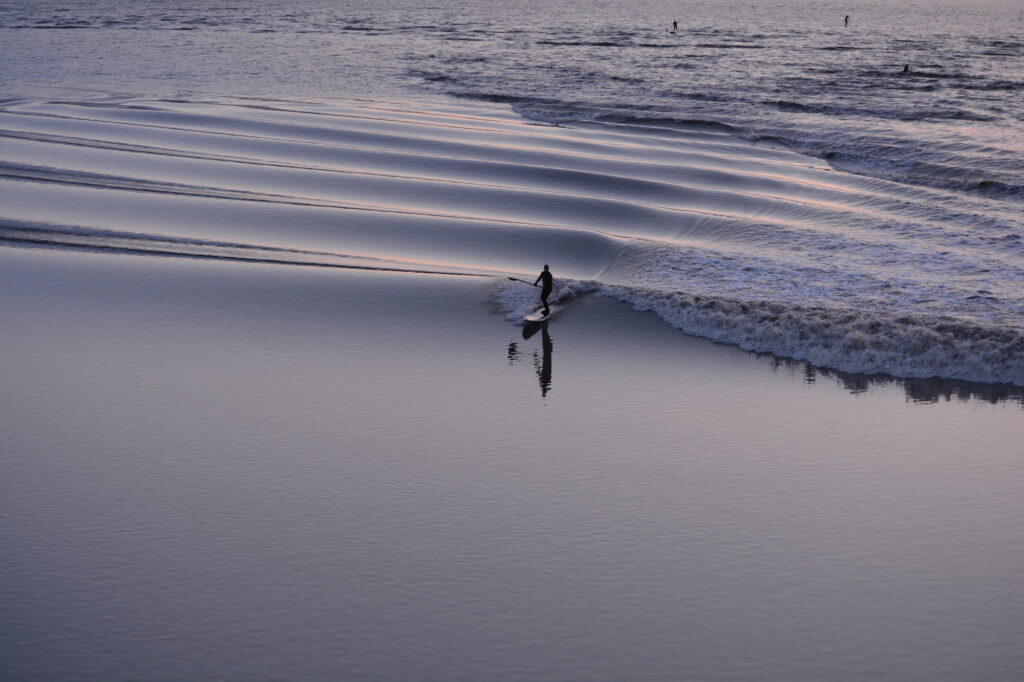
People Actually Surf in Alaska
There’s a brave contingent of people who surf here. Catching a wave is definitely possible in places like Yakutat and Kodiak Island, or just south of Anchorage on the famous ‘bore tide’of Turnagain Arm. This strong tidal swing pushes up the narrow bay against the current, and surfers ride the wave for several miles. Surfing Alaska is NOT for the inexperienced, however, so anyone considering it needs skills, a wetsuit, and a safety plan in place.
Ranch dressing was invented in Alaska
It’s true. This creamy, savory dipping sauce and dressing was invented in the early 1950s by a plumbing contractor named Steve Henson, who wanted to jazz up his work crew’s meals at their rural work camp. Fun fact: One of the most thrown-away items at TSA airport checkpoints is ranch dressing, especially from international visitors.
Alaska Has More Than 130 Active Volcanoes
Somewhere in Alaska, a volcano is probably thinking about erupting. There are more than 130 active volcanoes and volcanic fields across the state, most of which are part of the Pacific Ring of Fire. The Alaska Volcano Observatory has an interesting map of current volcanic activity, which is important for air travel, general air quality, and safety in some of the smaller nearby communities.
There’s a Desert Above the Arctic Circle
Kobuk Valley National Park is home to the Great Kobuk Sand Dunes, Little Kobuk Sand Dunes, and Hunt River Sand Dunes, where these relics from the last ice age rise from the tundra. The ice-free valley and resulting sand come from the slow advance and retreat of ancient glaciers, ground into fine sand, which then blew into dunes by the wind. There are more than 30 square miles of dunes left behind today.
Alaska Has “Zombie” Frogs
Wood frogs in Alaska exhibit one of the most unique survival techniques of any critter on the planet. Since they are cold-blooded amphibians, the wood frog must literally freeze from the inside out to make it through an Alaska winter. Going into ‘suspended animation’ like a creature from a sci-fi film, the frogs have no heartbeat or respiration for the entire season. It’s literally frozen, but still alive.
Alaska Slang Words and Common Terms
One of the most fun things to know before visiting Alaska is that locals have a vocabulary all their own. Here are some Alaska slang words you’re likely to hear.
Termination Dust
The first dusting of snow on the mountains in early fall, signaling that winter weather is right around the corner. This sight usually causes Alaskans to start stocking up on firewood and switching to winter tires for vehicles.
The Bush
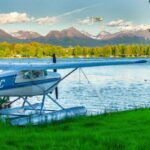
Locations in Alaska not accessible by road or, in coastal areas, by the Alaska Marine Highway System. Many tiny communities around the state are only reachable by small plane or boat, as they are too small for regular ferry service or too rugged for roadways.
Snowmachine (or sno-go or sled)
Alaskans don’t use snowmobiles. ‘Nuff said.
Breakup
Not about a relationship, ‘breakup’ means the snow is starting to melt, rivers begin flowing, and spring is truly on the way. Watch for Alaskans wearing shorts and flip-flops when temperatures reach about 45F.
Outside
Anywhere not Alaska.
Lower 48 (or ‘the States’)
The 48 contiguous states that make up the continental U.S. Older residents who lived here before Alaska became a state in 1959 often use “the states” to refer to the Lower 48.
Dipnetting
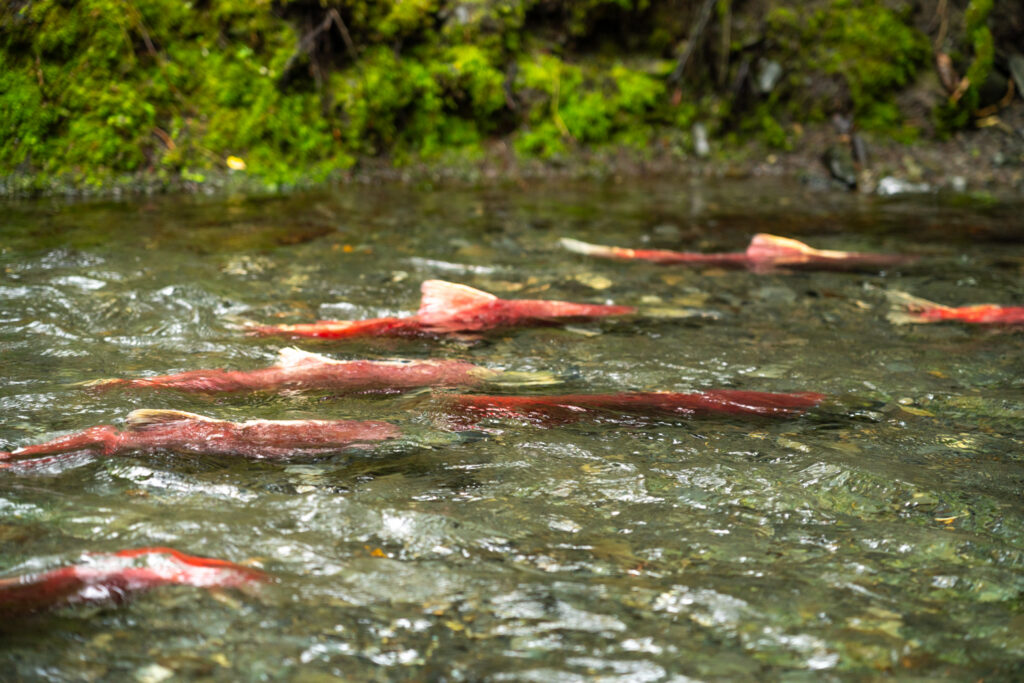
A salmon-fishing activity specific to Alaska residents, dipnetting requires an enormous handheld net (sometimes five feet across) to scoop up fish making the “run” into nearby rivers from the ocean. Popular locations near Anchorage include the mouths of the Kenai and Kasilof Rivers. Limits are high: up to 25 or more fish per household member, which is why it’s so tightly controlled by Alaska Department of Fish and Game regulations. Do not attempt to dip-net if you are not an Alaskan, as fines are high and without hesitation on the part of officials.
Frequently Asked Questions About Alaska
What is termination dust?
Termination dust is the first light snowfall on the mountaintops in early fall. For Alaskans, it’s a signal that winter is coming, prompting many to stock up on firewood and swap over to winter tires.
What does “breakup” mean in Alaska?
In Alaska, “breakup” refers to spring, the time when snow melts, rivers begin flowing again, and warmer weather arrives. It has nothing to do with relationships. A telltale sign of breakup is locals breaking out shorts and flip-flops the moment it hits 45°F.
Is ranch dressing really from Alaska?
Yes. Ranch dressing was invented in the early 1950s by Steve Henson, a plumbing contractor who created the recipe to liven up meals for his crew at a remote Alaska work camp.
Can you surf in Alaska?
You can. Surfers ride waves in coastal spots like Yakutat and Kodiak Island, and even catch the bore tide along Turnagain Arm near Anchorage. It’s an advanced activity, though, requiring a wetsuit, strong skills, and a solid safety plan.
What should I know before visiting Alaska?
Beyond the stunning scenery, it helps to learn a little local lingo, including terms like “termination dust,” “the Bush,” and “Outside.” Understanding these Alaska slang words will help you feel right at home and better appreciate the state’s one of a kind culture.